
Comparison: Barefoot footwear vs. Conventional footwear
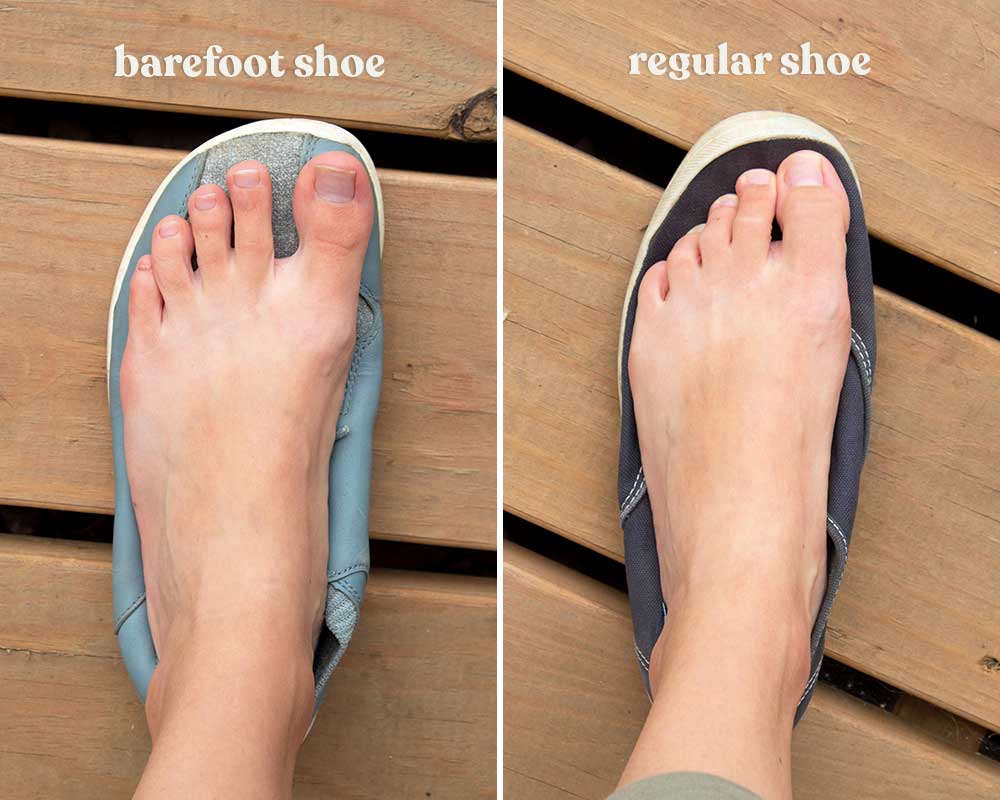
If you're considering changing your footwear, it's essential to understand the differences between barefoot and conventional shoes . In this comparison, we'll show you the key aspects that distinguish both types of footwear, so you can make an informed decision and choose what's best for your feet and your overall health.
Natural gait vs. artificial cushioning
Barefoot footwear is designed to mimic the way our ancestors walked barefoot. This means that barefoot shoes allow for a more natural stride, where the foot makes direct contact with the ground, improving posture and balance. Without the artificial cushioning of conventional shoes, barefoot shoes force the body to use its muscles and joints more efficiently.
Barefoot: When walking barefoot, the foot is free to move naturally, without the restrictions of a thick sole or rigid structure. This promotes better body alignment, which can reduce the risk of knee, hip, and back pain. Furthermore, barefoot walking encourages a softer stride, as the lack of artificial cushioning causes the body to naturally find ways to reduce impact.
Conventional footwear: Conventional shoes, on the other hand, typically have a thick sole with a lot of cushioning, designed to absorb the impact of each step. While this may seem beneficial, it can actually alter the way the foot should move naturally, which in the long run can cause muscle and joint imbalances. Furthermore, excessive cushioning can make the foot "lazy," relying on external support instead of strengthening itself.
Finger room vs. tight fit
One of the main problems with conventional footwear is its tendency to compress the toes. Most traditional shoes have a narrow toe box, which forces the toes to squeeze together, potentially leading to bunions, hammer toes, and other foot problems.
Barefoot shoes, on the other hand, are designed with a wide toe box that allows the toes to move freely. This is not only more comfortable, but also promotes better weight distribution and greater stability while walking. The extra space in the toe box helps prevent common problems associated with toe compression and allows the foot to function more naturally.
Conventional footwear: In conventional shoes, the narrow toe box can cause friction and pressure on the toes, which can result in calluses, blisters, and long-term deformities. Furthermore, the lack of space can affect how the foot distributes weight, which can contribute to posture problems and pain in other parts of the body.

Flexibility vs. rigidity
Flexibility is another key aspect that differentiates barefoot shoes from conventional footwear. Barefoot shoes are designed to be extremely flexible, allowing the foot to bend and move naturally.
Barefoot: The flexibility of barefoot walking allows the foot to adapt better to different surfaces and terrains. This not only improves balance but also allows for better proprioception, that is, the ability to feel the ground beneath the feet and adjust movements accordingly. This connection with the ground is fundamental for maintaining correct posture and preventing injuries.
Conventional footwear: Conventional shoes, especially those designed for specific activities like running or hiking, tend to be quite rigid. While this can offer support in certain situations, it also limits the foot's ability to move naturally, which can lead to weakening of the muscles and tendons over time.
Conclusion
When comparing barefoot shoes to conventional footwear, it's clear that barefoot offers a more natural and beneficial experience for the health of your feet and your overall well-being. If you're looking for footwear that respects the natural shape of your feet and promotes better posture and alignment, barefoot shoes are the ideal choice. Explore our collection of barefoot shoes at Lynx and discover how you can improve your well-being with every step.